Search + AI for hospitality and destinations

Hospitality SEO that helps your best guests find you.

As a hospitality SEO consultant, I help boutique hotels, wellness resorts and destination teams turn Google and AI search discovery into direct bookings, better-fit enquiries and local business referrals.

Former Head of SEO, Expedia ANZ · 20 years in search

See where to start

For owners, general managers, and destination marketing teams

Follow the guest, all the way through

The journey starts
before check-in.

Explore how people find rooms, restaurants, spa days and events through AI answers, Google and Maps. Then follow the experience back to an honest guest review.

Search. Visit. Share the experience.

A traveller is wonderingA quiet hotel with a terrace suite?
Search, hospitality experiences and guest reviews on one illustrated coastFollow AI and Google discovery to rooms, a restaurant, a spa or an event space, then a real visit and an honest guest review. Use the numbered stops or the steps below. Spa & retreatRooms & suitesRestaurantEvents & weddings The next traveller N

Illustrative journey · Fictional businesses · No ratings or results implied

Rooms & suites

Be part of the room search.

A traveller asks an AI assistant or searches Google for a particular kind of stay. Clear room and location information gives them something useful to discover.

Explore boutique hotels

Discovery brings them in. The experience gives them something to share.

Read the journeys and hotel business lines

ChatGPT, Claude, Perplexity and Gemini are illustrative AI examples here, not live search results.

Hotel: A quiet hotel with a terrace suite?

  1. Search: Be part of the room search.

    A traveller asks an AI assistant or searches Google for a particular kind of stay. Clear room and location information gives them something useful to discover.

  2. Compare: Make the shortlist make sense.

    Connect your room pages, Google Business Profile and genuine guest reviews. Show the layout, inclusions and details that make a suite worth choosing.

  3. Visit: From the room page to the stay.

    Lead into the hotel’s own availability and booking path, then deliver the stay described. A booking started and a confirmed reservation are different events.

  4. Review: Let the stay inform the next search.

    After a real stay, invite an honest Google review. Specific guest feedback helps future travellers evaluate the hotel; a review does not guarantee search visibility.

Explore boutique hotels →

Retreat: A coastal retreat with yoga, surfing and time to reset?

  1. Search: Meet the search for a better fit.

    A first-time guest asks AI or searches Google for a retreat that fits their needs, pace and time away.

  2. Compare: Help them compare the programme.

    Show the daily rhythm: yoga, meditation, sound bowls, surfing, massage, recovery activities and farm-to-table meals. Explain suitability, duration and inclusions so the guest can judge the programme’s fit.

  3. Visit: Enquire, then experience the retreat.

    Connect the programme to a useful enquiry about fit and dates. Measure enquiries separately from confirmed stays.

  4. Review: Let real guests help the next guest.

    Invite honest feedback after the experience. Keep programme details accurate and use guest questions to improve what future visitors can find.

Explore wellness resorts →

Destination: Where can I explore the local food scene?

  1. Search: Start where travellers ask questions.

    A traveller asks AI, searches Google or explores Maps for something to do. Useful destination knowledge can connect that interest to real places.

  2. Compare: Make local discovery specific.

    Connect a practical guide with restaurants, hosts and experiences. Accurate listings and genuine visitor feedback help travellers evaluate a place.

  3. Visit: Hand over to a local business.

    Make it easy to reach the relevant operator or reservation route. A partner referral is an observable action, not a confirmed booking.

  4. Review: Keep the local story grounded.

    Visitor feedback can help future travellers understand an experience. Encourage accurate information and honest reviews without presenting them as a guarantee of visibility.

Explore destinations →

More ways to discover a hotel

Dining: A coastal restaurant for a special dinner?

A diner may discover the restaurant through Google Maps, a local search or an AI recommendation without looking for a hotel room.

Make menus, atmosphere, opening hours and reservation information easy to find. Genuine dining reviews can answer questions a room review cannot.

Connect the restaurant page to its reservation or enquiry route. Track that action separately from room bookings.

After the meal, invite honest feedback about the dining experience. Keep menus, opening hours and reservation details current.

Spa: A spa day with a massage by the coast?

Someone searching Google or asking AI about a treatment may be a local visitor, a day guest or someone already planning a stay.

Give treatments, duration, inclusions and suitability their own clear information. Relevant guest feedback adds context to the experience.

Connect treatment information to availability or the right enquiry team. Spa appointments and hotel reservations need distinct measures.

Invite honest feedback after the treatment. Use what guests say to understand the experience and improve information for the next visitor.

Events: A coastal venue for a small wedding?

A couple or planner may start with an AI question, a Google search or Maps. Their needs are different from someone looking for a weekend room.

Explain spaces, capacity, settings and practical constraints. Real event feedback and useful photographs help planners compare their options.

Ask for the date, event type and relevant requirements. A qualified enquiry is a step towards an event, not proof of a confirmed booking.

After the event, invite honest feedback. Specific experiences help future planners understand the venue and give your team something concrete to improve.

From discovery to a decision

Hospitality SEO services for hotels, retreats and destinations.

Search engine optimization should help the right people find the experience you actually offer, understand it and take a useful next step. The work starts with your business priority, then follows the guest’s journey.

SEO strategy and keyword research

Research relevant search queries, existing search results and the pages people use to plan a trip. A hotel might focus on a particular room or season; a destination might focus on an itinerary or visitor segment.

On-page and technical SEO

Improve priority pages, technical SEO and local search information so people and search engines can understand the offer. This can include room details, programme inclusions, destination guides and Google Business Profile information where relevant.

SEO performance and direct bookings

Review the route from search to a direct booking, suitable enquiry or local business referral. Measure what your systems can observe and keep a referral distinct from a confirmed booking.

What the work can cover

How does the approach differ for each audience?

For a boutique hotel, SEO can help guests compare rooms and discover the restaurant or spa as well as the stay. For a wellness resort, programme details help someone judge whether the experience fits their needs. A destination guide can connect a planning question with local places and businesses. Each requires a different page and next step, even when the search journey begins in the same way.

How do you choose search opportunities?

My hospitality SEO strategy starts with your business goals and the questions potential guests ask. Keyword research compares relevant keywords and search results with your existing website. A broad destination search might need a guide or comparison; someone ready to book a hotel room needs clear room information and a direct route to the booking engine. The aim is to help people make a decision, not simply chase traffic.

What changes on the website?

On-page SEO can include clearer page titles, headings, internal links and website content that answers guest questions. Technical SEO helps search engines find and understand relevant pages. I also review the user experience on mobile devices and the route from a hotel website or resort programme to booking or enquiry. Priorities depend on what the review uncovers.

How do Google Maps and AI answers fit?

Local SEO can lead a traveller from a Google Business Profile and reviews to your website. Checking location details, opening hours and links helps people navigate from Google Maps to the right place. Other platforms, such as Tripadvisor, may also form part of a hotel’s online presence. AI answers offer another route to discovery. Useful, consistent information helps people evaluate an experience, although no listing or AI recommendation is guaranteed.

Guest reviews contribute to your online reputation. Inviting guests to share their experiences and responding thoughtfully can help future guests understand the stay; it does not promise a particular search ranking.

How does SEO fit with wider marketing?

Search engine optimization is one part of hospitality marketing, alongside channels such as email and social media platforms. A hospitality business can use its website to answer questions raised by those channels and give interested guests a clear next step. My work focuses on search and the website, with other marketing strategies considered where they affect the guest journey.

How do you measure SEO performance?

Analytics and Search Console can show search visibility, organic traffic and relevant landing pages. Where your systems allow, I also look at actions such as direct bookings, enquiries and referrals to local businesses. A referral is not the same as a confirmed booking, and rankings or traffic alone do not prove revenue.

Experience from inside the travel marketplace

Search experience from inside Expedia.

At Expedia ANZ, I helped recover more than 40% of organic traffic and grow it until organic became the region’s number one revenue channel. That work connected hotel partners, destination pages, public relations and tourism relationships.

These are historical career outcomes, not a forecast for another business. That experience now helps official websites compete for the demand that marketplaces, publishers and established alternatives capture first.

20
years working in search
40%+
organic traffic recovered at Expedia ANZ
#1
revenue channel achieved through organic search
Previous work includes
ExpediaHyattOvoloCrystalbrookNaumiLonely PlanetSydney Airport

A few notes from my side

Twenty years in search.
Still curious.

Brent paddleboarding on the water in Puerto Vallarta
01 / Away from the screenOn the water, Puerto Vallarta

Brent Manning · Independent search & AI strategist

The person behind
the search.

I help boutique hotels, wellness resorts and destination organisations connect search visibility with what happens next: choosing a stay, making an enquiry, booking direct or reaching a local partner.

Who do you want to attract, what do they need to know, and what should happen next?

Outside work: paddleboarding in Puerto Vallarta, Muay Thai and making music.

Read my story
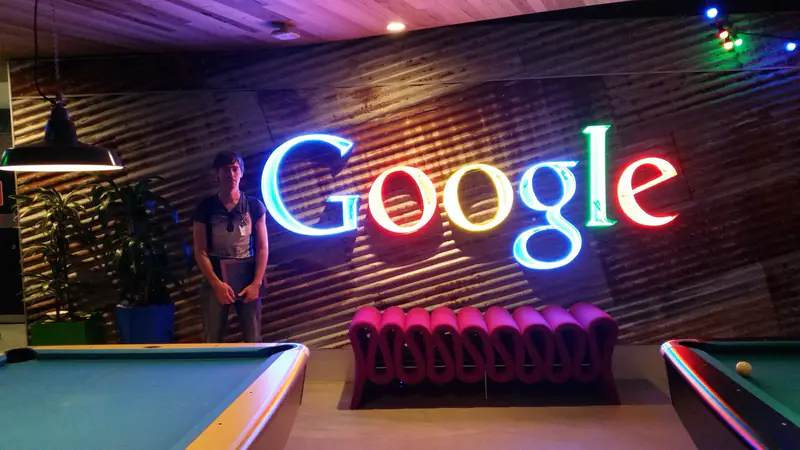
Brent during a visit to Google headquarters
02 / A visit to Google headquarters

From inside the travel marketplace to working directly with the people behind a stay.

Start with one priority

Request a Direct Demand Review.

Bring one booking, program, or destination priority. I’ll point you to the right next step, and to the review that fits your organisation.

About your business